Friday, July 27, 2007

Desert Island Cookbook

20TH ANNUAL SOCIAL SESSION, FR... Digital ID: 472419. New York Public Library
Ganda Suthivarakom
Web Editor, Food Writer, Singer (and food blogger)
Brooklyn, NY

Cookbook:
The French Laundry Cookbook by Thomas Keller

Why do you like it? : It's like an Oliver Sacks glimpse into the mind of an extreme OCD case who happens to be OC about food. The pictures and stories are so fetish-y. You go from a gorgeous page of meticulously shaped vegetable cuts to a story about Thomas Keller bashing a rabbit's brains in. Between all of these Stepford photographs of white plates and fish packed on ice in the direction they swim in, you have stories about the chef's isolation from society at a remote restaurant with no address, another of a shepherd being ordered to lie in hay soaked with sheep excrement. When you read it, it's easy to believe the rumors about him, that he is a difficult master whose perfectionist demands border on abuse. He's the tortured genius, hiding away in the idyllic countryside, manipulating nature with religious fervor. How much is myth and how much is truth? I don't know, but it makes for a great story.

I love freaks and outsiders, perhaps because I am not a very extreme person. I'll never make anything in the book. It requires way more patience than I have. The closest I've ever come was using half the recipe for braised short ribs. Who knows if I'll ever make it to the French Laundry or Per Se, either. Doesn't matter to me -- the recipes stand alone for their plays on flavor, words, imagery, and the ridiculous amount of detail that go into them.

Favorite recipe?:
Oysters and Pearls
Sabayon of Pearl Tapioca with Malpeque Oysters and Osetra Caviar

Monday, July 23, 2007

Mrs. Nesbitt

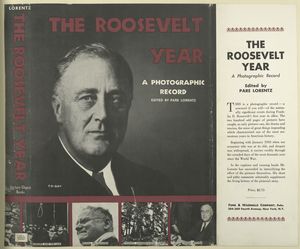
The Roosevelt year; a photogra... Digital ID: 1103813. New York Public Library
"I want to be elected to a fourth term, so I can fire Mrs. Nesbitt!"

On a recent trip to Hyde Park, I stopped by Franklin D. Roosevelt's home and presidential library where I noticed the cafe attached to the museum was appropriately named Mrs. Nesbitt's Cafe, after the Roosevelt's famous housekeeper Henrietta Nesbitt. Nesbitt was a neighbor of the Roosevelt's in Hyde Park and was hired to come work for the family in Washington when FDR was elected President. She stayed on for all four terms in the White House.

Mrs. Nesbitt was, according to many accounts, a disastrous cook. "I'm getting to the point where my stomach positively rebels...and this does not help my relations with foreign powers," FDR is quoted as saying. In his book Affectionately, FDR, James Roosevelt does not mince words in his description of Mrs. Nebsitt, "Everybody was against Mrs. Nesbitt - everybody except Mother...." FDR was especially frustrated not only by the "uninspired meals which he disliked so passionately," but also because Nesbitt rationed oranges, coffee, and butter which apparently upset FDR and his loyal staff.

Mrs. Nesbitt herself wrote two books about her time at the White House. In her book, The Presidential Cookbook, Nesbitt featured one of Mrs. Roosevelt's favorite dishes: kedgeree, a British fish and rice dish. But while kedgeree looks at least somewhat appetizing, there are some recipes included in her collection that sound less so. Frozen Pineapple Cheese Salad, perhaps?

Kedgeree
1c. any boiled whitefish, flaked
1c. boiled rice
2 hard-boiled eggs, cut in quarters
2T. butter
1/2t. salt
dash pepper

Mix fish and rice, moisten with cream or fish stock if dry, and saute lightly in melted butter. Must be fluffy. Add salt, pepper, and eggs . Heat thoroughly and serve. All the family liked this dish, especially Mrs. Roosevelt, and we served it over and over.

(In her book, From Hardtack to Home fries, Barbara Haber writes a wonderful chapter about Mrs. Nesbitt and her relationship with the Roosevelt's.)

Summer Cooking

19 East 72nd Street - Madison ... Digital ID: 1558320. New York Public Library
In last week's Times, Mark Bittman suggested 101 quick, 10-minute meals for those summer months when the kitchen does not beckon. On the New York Times website many readers wrote in their own suggestions for quick, delicious meals. The library has many cookbooks specializing in quick cooking. The official subject heading is simply Quick and easy cookery.

My favorite speedy, summer meal option is this personalized version of Nasi Lemak, a Malaysian breakfast that I enjoy eating for dinner. It does take more than 10 minutes to make, but it's worth waiting 20.

Nasi Lemak
Coconut Rice (long grain rice made with equal parts water and coconut milk)
Onions sauteed in vegetable oil (or butter) until soft, then mixed with Sriracha
Raw cucumbers, sliced in thin (or thick) slices
Two or three fried eggs
Dried fish or sardines (I prefer sardines)
Cashews (optional)
Put a mound of coconut rice on a serving platter. Place onions on one side of the rice and cucumbers on the other. Place the fried eggs on top of the rice, and the sardines along side the onions and cucumbers. Cashews can go anywhere at all. Serves two.

Friday, July 20, 2007

Amy Vanderbilt


"Vanderbilt, Amy." Online Photograph. Encyclopædia Britannica Online.


Amy Vanderbilt, journalist, cookbook author, society personality, and doyenne of etiquette was born July 22, 1908 in Staten Island. She was the first cousin of Cornelius Vanderbilt. After a number of jobs in public relations and magazine work, Vanderbilt was hired in 1940 by Royal Crest Sterling silverware as their etiquette consultant. In 1948 Doubleday hired her to write a book on etiquette. The result was Vanderbilt's 700-page Complete Book of Etiquette which was released in 1952 after five years of research. Vanderbilt's etiquette rules, which emphasised simple kindness, were considered less rigid than Emily Post's earlier works and her book quickly became a standard in the genre. Vanderbilt also published a cookbook titled Amy Vanderbilt's Complete Cookbook in 1961. Andy Warhol (credited as Andrew) did illustrations for both books. She died in 1974 after falling from the second floor window of her brownstone in New York .

The Library has a wonderful collection of Vanderbilt's books all available in the general stacks. A 1995 re-release of The Complete Book of Etiquette is also available on the open shelves of the Rose Main Reading Room. Her obituary is available in ProQuest's historical newspapers. According to her New York Times obituary, although Vanderbilt had little patience for very fomalized behavior, there were instances in which she found traditional roles necessary. For example, she apparently refused to use the title Ms. She is quoted as saying, "Ms. is unbearable. Look it up in the dictionary. It means 'manuscript.'"

Nutmeg Cream Sauce for Cauliflower
(adapted from Amy Vanderbilt's Complete Cookbook, 1961)

2T. butter
2T. flour
1/8t. pepper
1/2t. salt
1/2t. powdered nutmeg (I'm sure freshly grated would taste even better)
3/4c. milk
1/4c. water from cauliflower kettle
1/4c. buttered crumbs
Extra nutmeg

Melt butter in saucepan over low heat. Stir in flour smoothly. Add seasonings and mix until well blended. Stir in milk and cauliflower liquid slowly. Cook, stirring constantly, until smooth and thickened. Pour over hot cauliflower in serving dish. Sprinkle with buttered crumbs. Sprinkle with a few grains of nutmeg. Makes 1 cup cream sauce. If mixed with crumbs, makes 1 1/4 cups sauce.

Thursday, July 19, 2007

Desert Island Cookbook

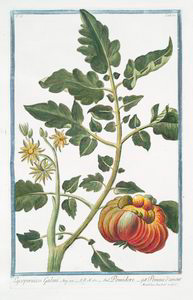
Lycopersicon Galeni = Pomidoro... Digital ID: 1125092. New York Public Library

Nicole Brown
Librarian, The American University in Cairo.
Cairo, Egypt

Cookbook: Simple to Spectacular by Jean-Georges Vongerichten & Mark Bittman

Why: The novice cook, the advanced chef, and everyone in-between will find something to love in this book. As the cover boasts, each recipe is taken to "four levels of sophistication." For example, the Mesclun Salad section progress like this: Mesclun and herb salad, Mesclun salad with grilled lemon chicken, Salade Nicoise, Mesclun with scallops Maltaise, Mesclun salad with porcini, artichokes, and foie gras. The recipe arrangement inspires invention and creativity. I use it all year long and consult it frequently for methods, techniques, and ideas.

Favorite Recipe: I love the desserts: the clafouti tart and the chocolate tart in a chocolate crust are outstanding. But, since it's summer, here are two recipes in honor of the tomato.

Tomato-melon gazpacho
One 3-pound cantaloupe; 5 tablespoons extra-virgin olive oil; 4 tomatoes (about 1 1/2 pounds), cored, peeled, seeded, and cut into 1-inch chunks; 1 1/2 cups water, or 1 cup water and 1/2 cup ice cubes; 10 leaves basil; Salt and freshly ground black pepper; Juice of 1 lemon, or to taste 1. Halve and seed the melon. Remove the flesh from the rind; cut into chunks. Place 1 tablespoon of the oil in each of two 10 or 12 inch skillets and turn the heat under both to high (you can do this sequentially if you prefer). Add the melon to one and the tomatoes to the other and cook, stirring, until they become juicy, no longer than 2 minutes. 2. Put the melon, tomato, water (and ice cubes), and basil in a blender, along with the remaining 3 tablespoons oil, and salt and pepper to taste, and puree until smooth.Chill. 3. Add the lemon juice and adjust the seasoning. Serve.

Tomato confit
12 plum or 6 large tomatoes ripe but not too soft; 1/3 cup extra-virgin olive oil; 6 cloves garlic, peeled and lightly crushed; 6 sprigs thyme; 1 teaspoon coarse salt 1. Preheat the oven to 275F. Cut out the hard core of each of the tomatoes and make an X in the smooth flower end. Plunge into boiling water for about 15 seconds, or until the skins loosen, then plunge into ice water; drain. Peel; cut plum tomatoes in half, regular tomatoes into quarters, then remove all the seeds and pulp. 2. Cover a baking sheet with aluminum foil and brush with olive oil. Place the tomatoes cut side down on the pan. Scatter the garlic and thyme around and sprinkle with salt. 3. Bake for 2 hours or more, turning the tomatoes every 30 minutes or so to make sure that they are not browning (if they are, lower the heat) and turning the baking sheet so the tomatoes cook evenly. The tomatoes are done when they are very soft and shriveled. They will keep, refrigerated, for a few days.

Tuesday, July 17, 2007

Betumi Africa Cookbook Project

Political Africa - 1898. Digital ID: 1261025. New York Public Library

The African Culinary Network (Betumi) has launched the Africa Cookbook Project to archive African recipes and culinary writings. According to their website, a database is already in the works to catalog cookbooks from various regions, and ideally make them available digitally. The Library's African cookbooks are located both here at the Humanities and Social Sciences Library and at the Schomburg Library for Research in Black Culture. Betumi's blog featuring African foodways and cultures is also definitely worth a look.

Shrimp and Okra Stew (Ila) - Nigeria
(adapted from A West African Cookbook, 1971)

1/2 cup peanut or other vegetable oil
1 medium onion, chopped
1lb fresh okra (or frozen)
6 medium tomatoes
1 large or 2 small ripe bananas
1/2 lb. cooked shrimp or prawns
juice of 1 lime or lemon
1t. salt
1/2t. ground red pepper
2/3 cup water

Heat the oil in a pan or casserole and add the chopped onion. Wash the okra, if fresh, cut off the tops and slice thinly. Frozen okra should be thawed enough to slice. Add okra to sizzling onion. Peel and chop the tomatoes and peel and cut the banana into small cubes. Add both to mixture in the pan. Cook together for several minutes. Mash the shrimp or prawns in a mortar or bowl, adding the juice of the lime or lemon, salt and pepper. Add this paste to the cooking mixture. Add the water and simmer all together for about 30 minutes. Serve with plain boiled rice.

Monday, July 16, 2007

American Food Writing

Boston Cooking School Magazine Digital ID: 1259205. New York Public Library
In this week's New York Times Book Review, Roy Blount Jr. wrote a glowing review of American Food Writing: an Anthology with Classic Recipes edited by Molly O'Neill. The book includes excerpts from seminal cookbooks and food writers, including Charles Ranhofer and Lydia Marie Child, but also includes writings from those not usually associated with cookery, such as Nathaniel Hawthorne and Langston Hughes. The book has not yet arrived in the branches, but it is available on the open shelves of the Rose Main Reading Room in the culinary section.

Peach Leather
from Annabella P. Hill's Mrs. Hill's New Cook Book

Peel very ripe, soft peaches; mash them fine, and strain through a colander. If the peaches are not very sweet, add a little sugar. Butter well panes of glass, and spread the paste smoothly upon them. Put in the sun to dry; when dry on one side, turn it, and when perfectly dry, roll and keep in boxes. When not convenient to use the glass, butter strips of cloth, and spread upon well-seasoned boards.

Sunday, July 15, 2007

Sushi

The emperor of Japan. Digital ID: 1150432. New York Public Library

The Times yesterday had a number of op-ed articles on sushi. One article, written by Steven A. Shaw, tries to understand why doctors in the United States tell women to avoid eating raw fish while pregnant. I know of no pregnant women who have been given the okay to eat sushi while pregnant, but Shaw feels that since 85% of seafood-related illness comes from mollusks (raw oysters and raw clams), there is very little chance of contracting any illness from the usual fish served at a sushi bar. Also since the FDA requires any fish served as sushi or sashimi to be flash frozen, the freezing would eliminate parasites as sure as cooking would.

Celebrating sushi is also the theme of the other article, written by Trevor Corson. Corson encourages Americans to eat sushi as the Japanese do (sitting at the sushi bar, asking what is fresh, eating with fingers, avoiding heavy soy sauce) instead of the "typical" American experience: fearful of sushi chefs, and amorous of tuna. Corson argues that tuna has never been a staple ingredient of Japanese-style sushi, and in fact, the Japanese have long thought of tuna as unfit for sushi.

My favorite sushi place in New York?: Taro Sushi on Dean Street in Brooklyn. Go on a Tuesday or Thursday, when rumor has it they get their fish delivered, and sit at the bar. The fish is succulent and delicious, and the rice is the perfect temperature. If you're already at the Library and have a taste for Japanese food, there are some wonderful takeout eateries right across the street on 41st between 5th and Madison: Cafe Zaiya, Chiyoda Sushi and Yagura.

The Library has some good books on sushi in both English and Japanese, and many books on fish cookery in general.

Wednesday, July 11, 2007

Desert Island Cookbook

Provincetown [Massachusetts], ... Digital ID: 55092. New York Public Library

Claire Fallender
Country Directory, Mozambique
OIKOS - Corporation and Development
Maputo, Mozambique

Favorite Recipe: Pasta Puttanesca and the Procidana sauce.
The puttanesca is not only the first dish I ever made, but many think is the only dish I make. I have adapted to go light on the capers or, when in a bind, leave them out all together, but double up on the black olives.

Spaghetti alla Puttanesca
(adapted from Ciro & Sal's Cookbook)

1 lb. spaghetti
1/4 c. olive oil
3 garlic cloves, finely chopped
1lb., 12oz. can plum tomatoes, drained, seeded and coarsely chopped
1T. capers, rinsed and drained
15 pitted black olives, thinly sliced
2oz. anchovy fillets, rinsed, drained and chopped (about 16 fillets)
1/2 to 1 dried chili pepper, finely chopped
1t. dried basil
1t. dried oregano
2T. finely chopped fresh parsley leaves


Heat the oil in a large saucepan. Add the garlic and saute until it is golden. Do not burn.
Add all the remaining ingredients except the parsley, and cook slowly for 15 minutes.
While the sauce is simmering, cook the spaghetti in salted boiling water until it is al dente.
Drain the spaghetti and transfer it to a warm serving bowl. Pour the sauce over the spaghetti and toss quickly. Sprinkle with the chopped parsley. Serve immediately.

Summer Cooking

Tomato plants. Digital ID: 407707. New York Public Library

I hesitate to use "cooking" here because this recipe hardly requires any. I made these tomatoes once before in early March and they were a hit. I thought of them again last night as I sat slumped over my kitchen table trying to think of a delicious, yet refreshing recipe to serve at a summer dinner party I'm giving. The recipe comes from the 2004 Gourmet Cookbook which is available in the Rose Main Reading Room. I have my own copy -- with the original yellow-on-white titles -- and although I don't consult it as much as some others in my collection, when I do I'm always pleased. I think this recipe alone is enough to buy the book, or rather, peruse it at the Library.

Vodka-Spiked Cherry Tomatoes with Pepper Salt
(from the Gourmet Cookbook: More than 1,000 Recipes)

3 pints firm small red and yellow cherry or grape tomatoes
1/2 c. vodka
3T. white wine vinegar
1T. superfine sugar
1t. finely grated lemon zest
3T. kosher salt
1 1/2 t. coarsely ground black pepper

Cut a small X in the bottom of each tomato. Blanch tomatoes 5 at a time in a 2 quart saucepan of boiling water for 3 seconds, then immediately transfer with a slotted spoon to a bowl of ice and cold water to stop the cooking. Drain tomatoes and peel. Transfer to a large shallow dish.

Stir together vodka, vinegar, sugar, and zest in small bowl until sugar is dissolved. Pour over tomatoes and gently toss to coat. Marinate, covered and refridgerated, for at least 30 minutes.

Stir together salt and pepper in a small bowl. Serve with tomatoes for dipping.

Tuesday, July 10, 2007

The Benefits of Vino

Thiédo. Digital ID: 1167916. New York Public Library

According to a recent MSNBC article, drinking wine - both red and white - has health benefits beyond the famous French Paradox. Apparently wine can also help fight the bacteria that leads to sore throats and dental plaque buildup.

The Library has a large selection of wine books in both the stacks and in the Rose Main Reading Room. Some of the most helpful encyclopedic works come from Oxford University Press. Both edited by Jancis Robinson, The Oxford Companion to Wine and the Oxford Companion to Wines of North America are wonderful beginners guides to varietals, regions, and grapes.

Saturday, July 7, 2007

Summer Cooking

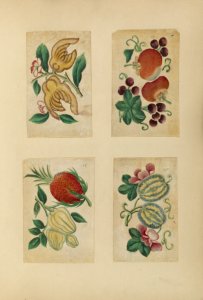
[Four drawings of vegetables a... Digital ID: 1564856. New York Public Library


This is a delicious summer salad from Madhur Jaffrey's World Vegetarian. Perfect for lazy, warm evenings when cooking is the last thing you want to do. There is not much more than boiling water here, but it tastes wonderful.

Zucchini and Feta Cheese Salad
(adapted from Madhur Jaffrey)
1 1/2 lbs. young zucchini
Salt
2 scallions, cut into fine rounds (use both white and green parts, but more the white)
1/4 lb. feta cheese, crumbled
2 T. fresh dill, chopped
1/4 c. olive oil
1/4 c. fresh lemon juice

Trim away the zucchini ends and then quarter them lengthwise. Cut each long piece roughly into 1 1/4" segments.

Put 4 cups of water into a pan and bring to a boil. Add 1 t. salt and stir to mix. Put in zucchini and boil rapidly, uncovered, for about 2 minutes, or until the pieces are just tender. Drain and rince under cold water to cool off completely. Pat dry and put in a bowl. Check for salt. If the zucchini need more salt, add it now and mix, Add all the remaining ingredients. Toss to mix and check the salt one last time. Cover and refridgerate until needed.

Tuesday, July 3, 2007

Desert Island Cookbook

Justine Heilner
Landscape Architect, FARM
Brooklyn, NY
Cookbook:
by Barbara Walker

Favorite recipe: Doughnuts
Why: I actually haven't made them, but this cookbook looms largest in my imagination. In grade school I checked it out a lot. I think I was the only person who did in 6 years. I was always trying to get my mom to make the doughnuts and also the molasses on snow candy. It was totally fascinating to know how pioneers cooked and what they used. A lot of lard. I am still searching for the perfect old-fashioned doughnut.

Doughnuts:

"That night was Saturday night. All day long Mother had been baking, and when Almanzo went into the kitchen for the milkpails, she was still frying doughnuts. The place was full of their hot, brown smell...."

2 lb. lard

1 egg

1t. baking soda

1/2 t. salt

1 c. sour cream

2 1/4 c. unbleached all purpose flour

a shaker full of powdered sugar

Melt lard in kettle over low heat. Beat egg, baking soda, and salt into the sour cream in the bowl. Beat in 1 cup of the flour until well mixed. Continue to work in flour, 1/4 c. at a time, until you have a dough that can be rolled. Roll the dough in a strip about 4 x 16 x 1/4". With a floured knife cut into 4" strips about 5/8" wide.

Heat lard to 375 degrees. Twist a strip like a corkscrew (it will stretch as you d0); bring ends together and pinch them. Drop twisted dough in hot fat. In two minutes the dough should be brown on both sides, crisp and cooked through. If browning takes less time, the fat is too hot; if it takes more than three minutes, the fat is not hot enough.

Remove cooked doughnut to brown paper to drain and coat it with powdered sugar. Continue twisting and cooking the remaining dough strips. Serve the doughnuts immediately.

RIP Schultz's....

Happy July 4th


Just 20 years after the United States won independence from England, Amelia Simmons published American Cookery, the first cookbook published in the United States and written by an American. In American Cookery, one finds recipes featuring staples of North American food ways: corn, cranberries and turkey, and the first printed recipes featuring cornmeal. The library has a number of editions of the book, including the second edition held in the Rare Books Division and other more recent facsimile printings in our General Research Division. One can also find the book electronically through the Early American Imprint Database or through Michigan State University's wonderful digital archive Feeding America.

Orange Pudding:

Put fifteen yolks with half a pound butter, melted, grate in the rinds of two Seville oranges, beat in half a pound of fine sugar, add two spoons orange water, two of rose-water, one gill of wine, half pint cream, two York biscuit or the crumbs of a fine loaf soaked in cream, mix all together, put into rich puff-paste, which let be double round the edges of the dish; bake like a custard.

Five Guys


I went to Five Guys burgers and fries last night in Brooklyn Heights. They had just opened, this being their first Brooklyn location. They also have a spot in Queens.
I know this chain is extremely popular in the mid-Atlantic area, but I wasn't terribly impressed by either the burgers or the fries. The burger meat was tasty, although they give you two patties instead of one larger burger (you can also order a "mini" which is just one patty) and they also include your preferred condiments on the burger. I am a burger dipper and much prefer a dryer burger and little sides of mustard and ketchup for dipping per bite. Too many condiments equal messy burgers. Which brings me to the bun. That to me is the greatest weakness of the Five Guys burger. The bun is mushy and bland. Whatever criticism people may have of Shake Shack, one has to admit they have the bun down to perfection.